🧠 The Future of Classrooms — How AI Is Redefining the Way We Learn (2025 Edition)
💡 Introduction
The classrooms of the future are already here — and they’re powered by Artificial Intelligence (AI).
From personalized lessons to smart grading systems, AI is transforming how teachers teach and how students learn.
In 2025, education is no longer limited to four walls and chalkboards — it’s an interactive, data-driven experience that adapts to every learner’s pace and potential.
🏫 1. Personalized Learning for Every Student
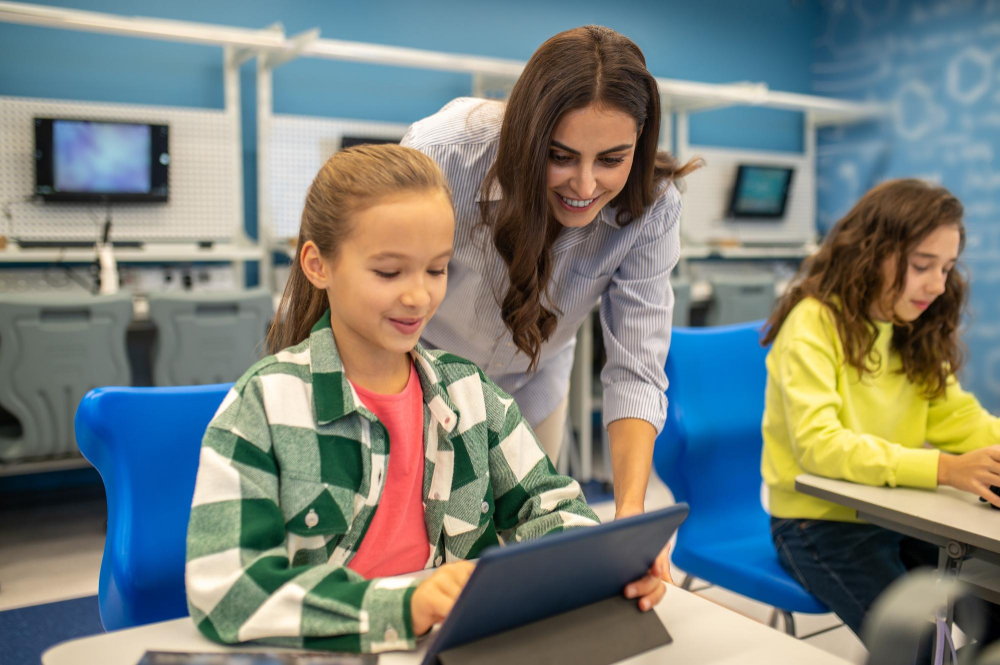
AI tools now analyze a student’s learning style, strengths, and weaknesses to create a customized study plan.
Instead of a one-size-fits-all classroom, every student gets a learning path tailored just for them.
📌 Example: Platforms like Khan Academy’s Khanmigo and Coursera’s AI tutor adjust difficulty levels based on your progress.
📊 2. Smart Teachers, Smarter Assistance
AI doesn’t replace teachers — it empowers them.
Educators use AI to automate grading, track student performance, and identify learning gaps instantly.
This allows teachers to focus more on creativity, mentoring, and emotional support — things machines can’t replace.
🧩 3. Real-Time Feedback and Assessment
No more waiting weeks for exam results!
AI-powered testing systems give instant feedback on quizzes and assignments.
Students can immediately see where they went wrong and how to improve.
📌 Example: Edmodo AI and Google Classroom with Gemini AI are leading this shift.
🌍 4. Virtual Classrooms and AI Tutors
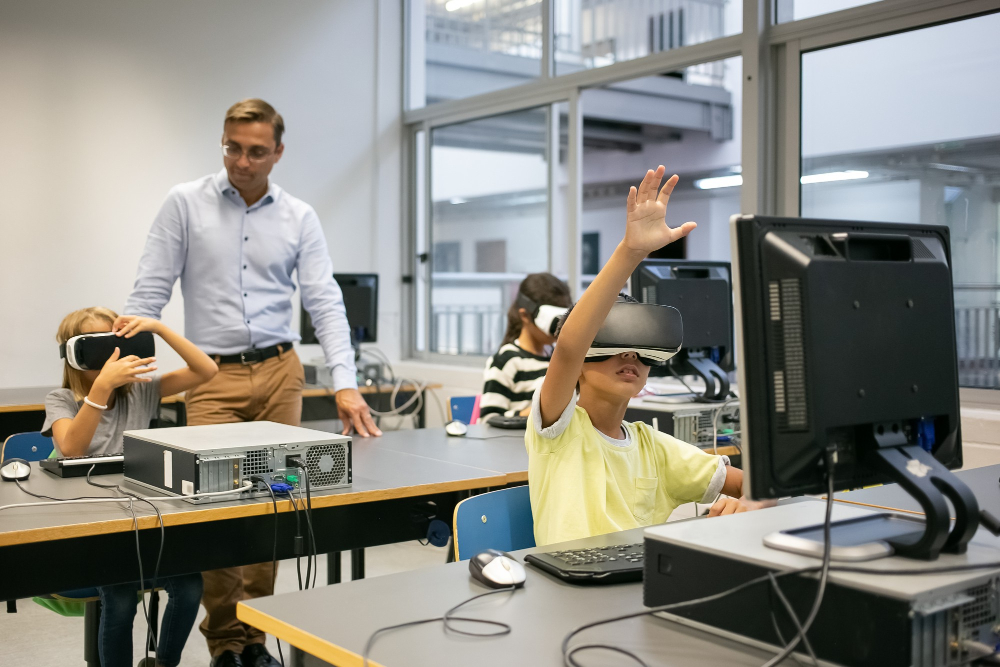
Online learning has evolved — thanks to AI, virtual classrooms feel real.
AI tutors now interact like human teachers, explaining topics, answering questions, and even motivating students.
📌 Example: Socratic by Google and Duolingo Max (AI-powered) make remote learning fun and engaging.
🔍 5. Predictive Learning Analytics
AI systems can predict when a student is struggling — even before they realize it themselves.
Schools now use predictive data to offer early support and intervention, improving overall success rates.
📌 Example: AI dashboards that alert teachers about at-risk students.
🎓 6. AI in Skill-Based Education
The modern world values skills over degrees — and AI is driving this revolution.
Learning platforms powered by AI now offer career-focused, hands-on courses in coding, data science, and design.
📌 Example: LinkedIn Learning AI suggests courses based on your job goals and industry trends.
🧠 7. Emotional Intelligence in AI Classrooms
AI systems are getting better at reading emotions through voice tone, facial expressions, and response patterns.
This means AI tutors can now adjust their teaching style when a student seems bored or confused.
📌 Example: Emotional AI in Replika EDU and Microsoft’s Education Insights.
🚀 8. The Global Impact of AI Learning
AI-powered education platforms are breaking barriers of language and location.
Students in small towns or developing countries can now access world-class education, often for free.
📌 Example: Google Translate AI and OpenAI-powered education tools help bridge global learning gaps.
🌟 Conclusion
The future of classrooms is not about replacing teachers — it’s about enhancing learning experiences for everyone.
AI is making education more inclusive, personalized, and interactive than ever before.
As AI continues to evolve, classrooms will no longer be defined by space or time — but by innovation, curiosity, and the power to learn smarter.